
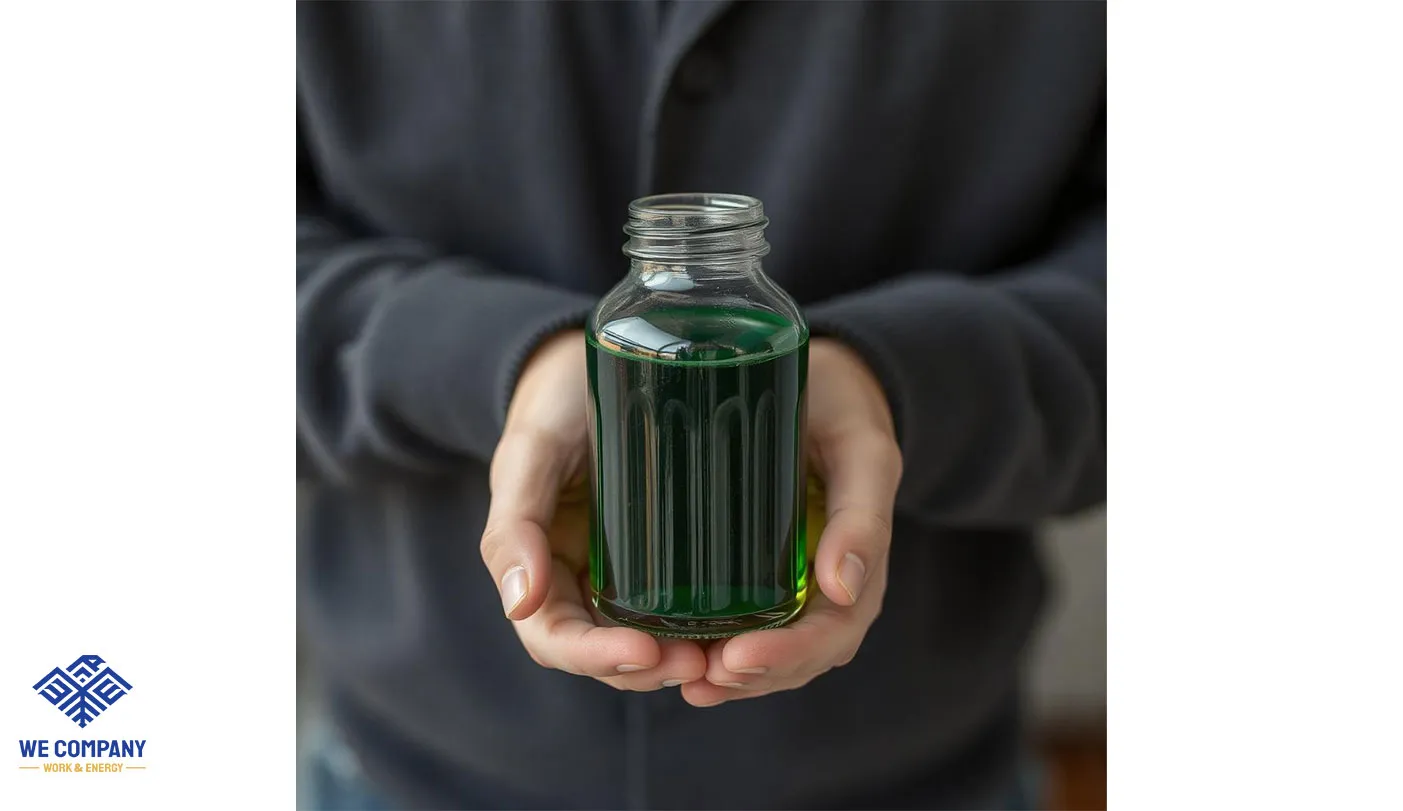
Rubber Processing Oil Specification: A Comparison of Heavy vs Light RPO
Rubber Processing Oil (RPO) plays a vital role in the rubber and tire manufacturing industries. As a petroleum-based product, RPO enhances elasticity, improves processing efficiency, and increases the durability of rubber compounds. Selecting the right RPO can significantly impact the performance of the end product. In this article, we’ll explore the specifications of Rubber Processing Oil, compare Heavy RPO vs Light RPO, and help manufacturers make informed sourcing decisions.
What is Rubber Processing Oil (RPO)?
Rubber Processing Oil is a dark, viscous oil derived from petroleum. It is used to soften rubber, improve its flow during processing, and increase flexibility and resilience in the final product. RPO is especially critical in industries producing tires, hoses, gaskets, seals, and other rubber-based goods.
There are different types of RPO based on viscosity, composition, and aromatic content, with Heavy RPO and Light RPO being the most common.
Heavy Rubber Process Oil (RPO): Specifications & Applications
Heavy RPO is an aromatic-rich oil used mainly in tire production and heavy industrial rubber applications. It contains a high concentration of aromatic hydrocarbons, which enhances compatibility with natural and synthetic rubber.
🔧 Key Specifications (Grade 1)
| Property | Value | Test Method |
|---|---|---|
| Kinematic Viscosity @ 100°C | 40–60 cSt | ASTM D-445 |
| Density @ 15°C | 995–1020 Kg/m³ | ASTM D-1298 |
| Flash Point | 265–300°C | ASTM D-92 |
| Aniline Point | 50–65°C | IP-2 |
| Sulphur Content | 5% | ASTM D-2622 |
| Ash Content | 0.15% | ASTM D-482 |
| Carbon Type Analysis | CA: 50%, CN: 5%, CP: 45% | ASTM D-3228 |
🏭 Applications
-
Tire manufacturing
-
Automotive belts and hoses
-
Industrial rubber products like seals and gaskets
-
Durable rubber formulations
Light Rubber Process Oil (RPO): Specifications & Applications
Light RPO is ideal for applications requiring lower viscosity and better cold flow properties. It is available in Grade 1 and Grade 2, offering different characteristics for tailored manufacturing needs.
🔧 Light RPO Grade 1 Specifications
| Property | Value | Test Method |
|---|---|---|
| Kinematic Viscosity @ 100°C | 10 cSt | ASTM D-445 |
| Density @ 15°C | 1000 Kg/m³ | ASTM D-1298 |
| Flash Point | 215°C | ASTM D-92 |
| Aniline Point | 30°C | IP-2 |
| Sulphur Content | 5% | ASTM D-2622 |
| Ash Content | 0.1% | ASTM D-482 |
| Carbon Type Analysis | CA: 60%, CN: 1%, CP: 39% | ASTM D-3228 |
🔧 Light RPO Grade 2 Specifications
| Property | Value | Test Method |
|---|---|---|
| Viscosity @ 100°C | 17–23 cSt | ASTM D-445 |
| Flash Point | 250–300°C | ASTM D-92 |
| Pour Point | 20–35°C | ASTM D-97 |
| Specific Gravity | 0.980–1.02 Kg/m³ | ASTM D-4052 |
| Aniline Point | 40–60°C | IP-2 |
| Sulphur Content | 3–4% | ASTM D-2622 |
| Ash Content | 0.05% | ASTM D-482 |
| Carbon Type Analysis | CA: 40%, CN: 25%, CP: 35% | ASTM D-3238 |
🏭 Applications
-
Tires and automotive components
-
Rubber gaskets, seals, and hoses
-
Enhancing flexibility and processability in rubber formulations
Heavy RPO vs Light RPO: What’s the Difference?
| Feature | Heavy RPO | Light RPO |
|---|---|---|
| Viscosity | Higher (40–60 cSt) | Lower (10–23 cSt) |
| Flash Point | Higher (265–300°C) | Moderate (215–300°C) |
| Aromatic Content (CA) | 50% | 40–60% |
| Application | Heavy-duty rubber products | General rubber and elastomer applications |
| Flexibility | Higher durability | Enhanced processing ease |
| Aniline Point | Higher | Lower (Grade 1), Moderate (Grade 2) |
Why Choose WE Co. for Rubber Processing Oil?
Work and Energy Company (WE Co.) supplies both Heavy and Light RPO in bulk, drums, and flexitanks. With strong refining partnerships and logistics solutions, WE Co. guarantees reliable quality, flexible packaging, and global delivery — all while supporting eco-conscious sourcing practices.
🔹 Backed by German R&D
🔹 Compliant with ASTM standards
🔹 Custom packaging available
🔹 Global delivery: UAE, India, and more
Contact Us
Need help selecting the right base oil or want to request a quote? We’re here to assist you.
-
WhatsApp: (+971) 585992028
-
Phone: (+971) 58 599 20 28
-
Email: info@workandenergy.com
-
Office Address: No. 106, Sabkha Tower, Deira, Dubai, UAE
Top 10 Most Frequently Asked Questions (FAQs) About Rubber Process Oil
-
What is rubber process oil used for?
Rubber Process Oil is used to soften rubber, improve mixing and flow, and increase durability in rubber products. -
What are the differences between heavy and light RPO?
Heavy RPO has higher viscosity and aromatic content, ideal for tires. Light RPO has better processability and is suited for general rubber goods. -
Is RPO safe for the environment?
When sourced from eco-conscious suppliers like WE Co., RPO can be refined with reduced emissions and optimized logistics for lower environmental impact. -
Can I use Heavy RPO in light rubber applications?
It’s possible, but it may affect flexibility and processability. Light RPO is better for softer compounds. -
What is the shelf life of rubber process oil?
Typically 2–3 years if stored properly in sealed containers, away from heat and sunlight. -
Is RPO compatible with all types of rubber?
Yes, especially aromatic RPO which works well with both natural and synthetic rubber. -
How is RPO shipped internationally?
It can be shipped in drums, flexitanks, or bulk tankers, depending on customer requirements. -
What standards does WE Co. RPO meet?
WE Co. RPO meets ASTM and IP test standards, ensuring global quality compliance. -
How is viscosity important in RPO?
Viscosity affects processing speed, blending, and final product performance. Choosing the right viscosity grade is crucial. -
Can I get custom packaging for RPO?
Yes, WE Co. offers custom packaging options to suit your manufacturing and storage needs.
Need a quote or technical sheet? Reach out today!
-
WhatsApp: (+971) 585992028
-
Phone: (+971) 58 599 20 28
-
Email: info@workandenergy.com
-
Office Address: No. 106, Sabkha Tower, Deira, Dubai, UAE


No comment